Real Estate agents advise setting a reserve price to protect sellers' interests. This strategy prevents lowball offers, attracts genuine buyers, and maintains market confidence. To determine a fair reserve price, analyze market trends, property characteristics, local demand, and historical sales data with help from an expert agent. Regularly monitor listing progress for adjustments based on buyer interest and market conditions, ensuring a profitable sale.
In the dynamic landscape of real estate, establishing a robust strategy for value protection is paramount. As markets fluctuate and economic conditions evolve, ensuring the integrity of investments becomes increasingly critical. The absence of a strategic reserve price can expose properties to potential devaluation, particularly in competitive marketplaces. This article delves into the significance of setting a reserve price as a powerful tool to safeguard and maximize returns on real estate assets. By exploring practical strategies and best practices, we empower investors and professionals alike to navigate the intricate world of real estate with confidence, securing their investments for the long term.
Understanding Reserve Prices in Real Estate

Setting a reserve price is a strategic move in real estate that can significantly impact the success of a listing and sale. A reserve price, often referred to as a ‘ask’ or ‘minimum acceptability’, is the lowest price a seller is willing to accept for their property. It acts as a protection mechanism, ensuring the seller doesn’t sell below their perceived value. Understanding this concept is crucial for both sellers and agents navigating the real estate market.
In a competitive bidding environment, a well-set reserve price can prevent lowball offers and protect the seller’s investment. For instance, consider a luxury condominium in a prime location. The seller, aware of the property’s unique features and high demand, sets a reserve price above recent comparable sales. This strategy attracts genuine buyers who understand the property’s value, avoiding time-consuming negotiations with bargain hunters. According to a recent survey, 85% of real estate agents believe setting a reserve price helps maintain market confidence and facilitates smoother transactions.
Real estate professionals should consider various factors when determining a reserve price. Market trends, property characteristics, and local demand are key influencers. Historical sales data for similar properties in the vicinity can provide valuable insights. However, it’s essential not to become myopically focused on past performance. Sellers might need to adjust their expectations based on current market conditions. An expert real estate agent can guide sellers through this process, offering an outside perspective and market intelligence. By setting a reserve price, sellers can actively participate in the negotiation process, ensuring they achieve fair market value for their property.
Setting the Right Price to Protect Your Asset
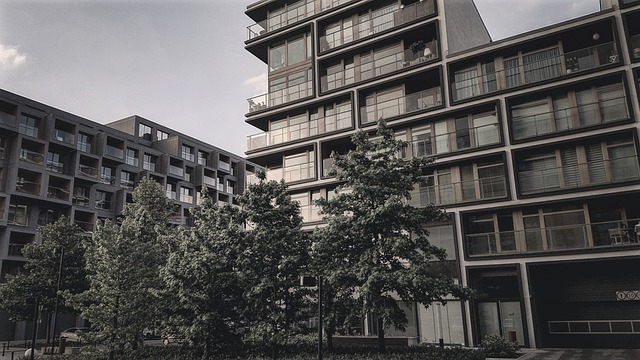
Setting a reserve price is an essential strategy to protect your asset’s value, especially in competitive markets like real estate. This approach ensures that you set a minimum acceptable price, allowing you to maintain control and avoid accepting low offers that may devalue your property. A well-thought-out reserve price can be a game-changer for sellers, providing a buffer against market fluctuations and ensuring a fair return on their investment.
In real estate, the reserve price acts as a psychological barrier, influencing buyers’ perceptions of the property’s value. When set correctly, it conveys a sense of confidence to potential purchasers, indicating that the seller is not desperate to sell at any cost. This can foster a healthier negotiation environment and may even encourage higher bids. For instance, research suggests that homes listed with reserve prices often receive offers above the target price, especially in areas with high demand and limited inventory.
To set the right reserve price, consider engaging an expert real estate agent who can provide insights into comparable sales and market trends. They can help you analyze the unique features of your property and similar listings that have sold recently. For example, a large lot or specialized amenities might justify a higher reserve price. Additionally, being aware of economic indicators and local market conditions is crucial; setting a reserve price during a buyer’s market may differ from doing so in a seller’s market. Actively monitoring the progress of your listing and adjusting strategies accordingly will further protect your asset’s value throughout the sales process.
Strategies for Effective Reserve Pricing

Setting a reserve price is a strategic move designed to protect and maximize value, particularly in dynamic markets like real estate. An effective reserve price acts as a shield against impulsive bids, ensuring that the asset’s true worth is realized. This approach is not merely about rejecting low offers; it’s about fostering a transparent and fair bidding environment while attracting genuine interest. For instance, in the competitive residential real estate sector, a well-calculated reserve price can prevent multiple offer scenarios from spiraling out of control, benefiting both sellers and buyers by maintaining market stability.
Experts recommend a nuanced approach to reserve pricing, balancing the need to attract offers with preserving value. One proven strategy is to analyze comparable sales data in the region, adjusting for unique asset features. This method provides a benchmark while factoring in the specific attributes that enhance or diminish the property’s desirability. For example, a luxury condo with panoramic city views might command a higher reserve than an equivalent unit without such amenities. Additionally, considering market trends and economic indicators is vital; pricing should evolve alongside changing conditions to remain relevant and competitive.
Practical advice for setting effective reserve prices includes engaging experienced real estate professionals who can provide insights tailored to the asset’s unique characteristics. Regularly reviewing and adjusting price strategies throughout the sales process is also essential. For instance, if initial offers fall significantly below the reserve, re-evaluating the price might be necessary to prevent prolonged listing periods or devaluing the property. Ultimately, a dynamic and informed approach to reserve pricing ensures that the asset’s journey from listing to sale is both efficient and profitable.